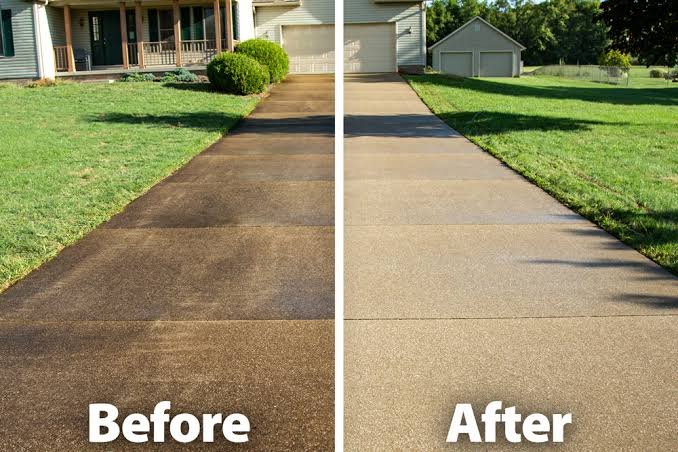
There’s something satisfying about seeing your driveway freshly pressure cleaned. The dark stains disappear, the dirt washes away, and suddenly the entrance to your home looks years younger.
But once your driveway is clean, there’s another question worth asking: Should you seal it?
However, sealing isn’t always necessary, and applying a sealer at the wrong time or to an improperly prepared surface can cause more problems than it solves.
In this guide, we’ll explain what driveway sealing actually does, when it’s worth considering, why pressure cleaning comes first, and how to keep your driveway looking its best for longer.
What Is Driveway Sealing, and What Does It Actually Do?
Driveway sealing involves applying a protective coating or penetrating treatment to the surface of your driveway.
Think of it as an extra layer of protection against the elements and everyday wear.
Depending on the type of sealer used, it can help reduce the amount of water, oil and other contaminants absorbed into the surface. Some sealers also enhance the colour of decorative concrete or exposed aggregate, giving the driveway a richer, more finished appearance.
There are two main types of driveway sealers.
Penetrating sealers soak into porous materials such as concrete, helping repel water and certain stains without significantly changing the surface’s appearance.
Film-forming sealers create a protective coating on top of the driveway. These can provide a satin, gloss or wet-look finish, depending on the product.
Neither option is automatically better. The right choice depends on your driveway material, its condition and the finish you’re hoping to achieve.
For homeowners considering driveway sealing Perth, understanding these differences is important. A sealer suitable for plain concrete may not be the best option for exposed aggregate, decorative concrete or paving.
Why Driveway Sealing Makes Sense in Perth
Perth’s climate can be tough on outdoor surfaces.
During summer, driveways are exposed to prolonged sunshine and high temperatures. Winter brings rain, moisture and the occasional buildup of algae or mildew in shaded areas.
Add vehicle traffic, leaking engine oil, tyre marks and general dirt, and it’s easy to see why driveways gradually lose their original appearance.
Sealing can help address several of these issues.
1. Helps Protect Against Oil and Grease Stains
Oil stains are among the most frustrating driveway problems.
Once oil penetrates porous concrete, it can be difficult to remove completely, even with professional pressure cleaning.
A suitable driveway sealer can slow down oil absorption, giving you more time to clean spills before they become stubborn stains.
It won’t make your driveway completely stain-proof, but it can make ongoing maintenance easier.
2. Reduces Water Absorption
Concrete is naturally porous, meaning moisture can enter the surface.
A quality penetrating sealer can reduce water absorption, helping protect the driveway from some forms of moisture-related deterioration.
This can be particularly useful for older concrete surfaces or driveways exposed to regular watering and winter rainfall.
3. Makes Routine Cleaning Easier
One of the biggest advantages of sealing is easier maintenance.
Dirt and contaminants are often less likely to become deeply embedded in a properly sealed surface.
Instead of needing aggressive cleaning methods for every mark, you may find that regular sweeping, gentle washing and prompt spill removal are enough to keep your driveway presentable.
4. Enhances Your Driveway’s Appearance
If you have exposed aggregate or decorative concrete, the right sealer can bring out the natural colours and textures.
Some products provide a subtle, natural-looking finish, while others create a darker wet-look appearance.
It’s worth remembering that not every homeowner wants a glossy driveway. The finish should suit your property and the surface’s slip-resistance requirements.
Should You Seal Your Driveway Straight After Pressure Cleaning?
Not immediately.
Although pressure cleaning is an important preparation step, your driveway needs time to dry before most sealers can be applied.
Pressure cleaning uses water to remove dirt, algae, grime and surface contaminants. Even when the concrete looks dry on top, moisture can remain inside its pores.
Applying a sealer too soon can trap that moisture.
Depending on the product, this may lead to cloudy patches, poor adhesion, bubbling or an uneven finish.
As a general guide, some sealers require at least 24–48 hours of suitable drying conditions after washing, while others require longer.
The actual waiting period depends on the sealer manufacturer’s instructions, driveway material, weather conditions and moisture levels.
In Perth, a driveway may dry relatively quickly during warm, dry weather. However, shaded areas, cooler winter temperatures and recent rainfall can extend drying times.
The important thing is to make sure the surface is properly dry and meets the product’s application requirements before sealing.
Why Professional Driveway Cleaning Matters Before Sealing
Sealing a dirty driveway is a bit like painting over a dusty wall.
You might get the job done, but the results are unlikely to be what you hoped for.
Proper preparation is one of the most important parts of successful driveway sealing.
Over time, driveways collect contaminants that aren’t always obvious at first glance.
These can include oil residue, tyre marks, algae, mould, dirt, dust and old surface coatings.
If these materials remain on the driveway, they can interfere with how well the sealer penetrates or bonds to the surface.
This is why driveway cleaning and sealing Perth should be treated as two connected stages rather than completely separate jobs.
Removing Built-Up Dirt and Grime
Professional pressure cleaning removes accumulated surface dirt and grime, providing a cleaner base for sealing.
The cleaning method needs to suit the driveway material. Excessive pressure can damage concrete surfaces, loosen paving joint sand or affect decorative finishes.
Treating Oil and Grease
Pressure washing alone doesn’t always remove deeply absorbed oil.
Some stains require suitable degreasers or specialist treatment before sealing.
Any cleaning chemicals must also be thoroughly rinsed or neutralised as required, because leftover residue can affect sealer performance.
Dealing With Algae and Mould
Shaded or damp areas can develop slippery green or dark patches.
These should be properly treated and cleaned before sealing rather than simply covered over.
A clean surface also makes it easier to identify cracks, worn areas and other problems that may need attention.
For homeowners wanting to restore their driveway, Revive Pressure Cleaning Perth is a starting point for professional exterior pressure cleaning and driveway preparation enquiries.
Which Driveway Surfaces Can Be Sealed?
Not all driveways are made from the same material, and that matters when choosing a sealer.
Plain Concrete Driveways
Plain concrete is common across Perth homes.
Because concrete is porous, it can absorb water, oil and other contaminants.
Suitable concrete sealing Perth products can help reduce this absorption while maintaining a natural appearance or providing a protective surface finish.
However, concrete must be sound, properly cleaned and adequately dry before application.
Exposed Aggregate Driveways
Exposed aggregate is popular for its textured appearance and decorative finish.
Sealing can help enhance the colour of the stones and reduce the absorption of stains.
It’s important to select a product designed for exposed aggregate, particularly where slip resistance is a concern.
Paved Driveways
Many Perth properties have brick or concrete paver driveways.
Certain paving materials can benefit from sealing, but preparation may involve more than washing.
Loose pavers, damaged joints and missing joint sand should be addressed first.
Some paving sealers also affect joint stability, so product compatibility matters.
Coloured and Decorative Concrete
Decorative concrete often benefits from careful maintenance, especially where the original finish has started to fade or look patchy.
A compatible sealer may improve its appearance, but existing coatings need to be assessed before another product is applied.
Applying an incompatible sealer over an old coating can result in peeling, whitening or uneven colour.
When Is the Best Time to Seal a Driveway in Perth?
Weather plays a major role in successful sealing.
The ideal conditions are generally mild, dry weather with no rain expected during the product’s required curing period.
Extremely hot concrete can cause certain sealers to dry too quickly, leading to application marks, bubbling or inconsistent coverage.
Cold, damp weather can create the opposite problem, slowing drying and curing.
For many Perth properties, spring and autumn can provide suitable sealing conditions, although individual weather forecasts are more important than the season itself.
Before scheduling sealing, consider:
- Whether the driveway has completely dried after cleaning.
- Whether rain or heavy dew is expected.
- Whether the surface temperature falls within the sealer manufacturer’s recommended range.
- Whether the driveway can remain free from vehicles and foot traffic during curing.
A little patience during preparation can make a significant difference to the finished result.
How Often Should You Reseal Your Driveway?
There’s no single resealing schedule that suits every Perth driveway.
Some surface coatings may need attention after approximately two to five years, while certain penetrating sealers can last longer under suitable conditions.
Actual performance depends on the product, surface condition, vehicle traffic, UV exposure and cleaning practices.
Signs that your driveway may need resealing include water soaking in more readily than before, stains becoming harder to remove, or a decorative finish looking noticeably worn.
For film-forming coatings, peeling, flaking or patchy areas can also indicate deterioration.
However, these symptoms don’t always mean another coat should be applied immediately. Existing coatings may need testing, stripping or other preparation first.
Can You Seal Your Driveway Yourself?
DIY driveway sealing is possible, but it requires more care than many homeowners expect.
Choosing the wrong product, applying too much sealer or working on a damp surface can lead to disappointing results.
One common mistake is assuming that more sealer means better protection.
In reality, excessive application can create a thick, uneven coating that may become slippery or fail prematurely.
Surface preparation, correct coverage rates, suitable weather and adequate curing time are all essential.
Professional assessment may be particularly worthwhile for large driveways, exposed aggregate, previously sealed concrete or surfaces with persistent staining.
Even if you plan to handle the sealing yourself, having the driveway professionally cleaned first can help provide a better starting point.
Is Driveway Sealing Always Necessary?
No, and that’s an important distinction.
A driveway doesn’t automatically need sealing just because it has been pressure cleaned.
If your concrete is in good condition, you’re happy with its appearance and you’re prepared to maintain it regularly, professional cleaning alone may be sufficient.
Sealing becomes more appealing when you want additional stain resistance, reduced water absorption or an enhanced decorative finish.
It’s also worth considering whether the driveway has existing damage.
Sealing won’t repair structural cracks, sinking paving or badly deteriorated concrete. Those issues should be assessed and repaired appropriately before any protective treatment is applied.
The goal should be to improve the driveway’s condition and maintainability, not simply apply another product.
Start With a Properly Cleaned Driveway
Whether you decide to seal your driveway or leave it unsealed, keeping it clean is one of the simplest ways to maintain your property’s street appeal.
Regular cleaning helps remove grime, algae, dirt and stains before they become increasingly difficult to manage.
If you’re planning driveway sealing, professional pressure cleaning is also an important first step towards achieving a clean, properly prepared surface.
At Revive Pressure Cleaning Perth, the focus is on helping Perth property owners refresh tired outdoor surfaces through professional pressure cleaning.
If your driveway is looking stained, dull or overdue for attention, visit Revive Pressure Cleaning Perth to enquire about driveway cleaning and discuss suitable preparation before sealing.
A clean driveway looks better today. The right sealing treatment, when needed and properly applied, can help keep it easier to maintain in the years ahead.
Frequently Asked Questions
Is driveway sealing worth it in Perth?
Driveway sealing can be worthwhile if you want to reduce staining, improve water resistance and make ongoing cleaning easier. Its value depends on the driveway material, condition and the type of sealer applied.
How long after pressure washing can you seal concrete?
Some products require 24–48 hours of drying after pressure washing, while others require longer. Always follow the manufacturer’s instructions and confirm that the concrete is sufficiently dry.
Does sealing stop weeds growing between pavers?
Certain sealing systems can help stabilise jointing sand and reduce opportunities for weed growth. However, sealing doesn’t guarantee a completely weed-free driveway.
Will sealing make my driveway slippery?
Some film-forming sealers can reduce slip resistance, especially when wet. Choosing an appropriate product and compatible slip-resistant additive, where required, is important.