
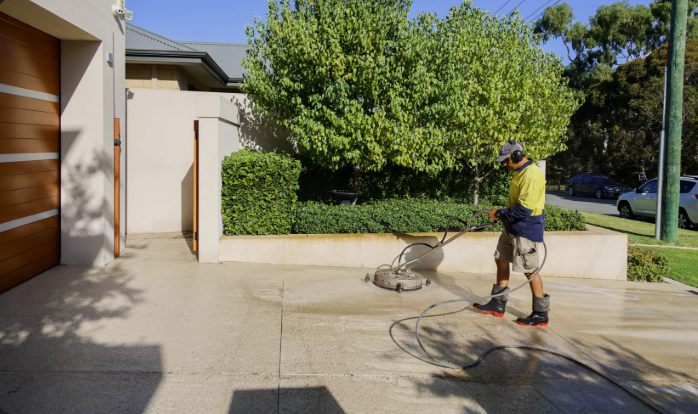
Your driveway deals with more than you might think. Cars come and go every day, dust blows across it, oil drips appear without warning, and leaves collect in corners. Then Perth’s weather adds another layer of wear, from long, hot summers to wet winter months.
So, how often should you pressure clean your driveway?
For most Perth homes, professional driveway pressure cleaning once every 12 months is a sensible starting point. However, there isn’t one schedule that suits every property. A driveway under shady trees may need attention more often, while a lightly used, well-drained driveway could stay presentable for longer.
The condition of the surface is ultimately more important than the calendar.
Here’s what Perth homeowners should look for and how to work out when it’s time for another clean.
Why Perth Driveways Need Regular Cleaning
Perth’s climate creates a very interesting combination of conditions for outdoor surfaces. Summers are typically hot and dry, while winters are much wetter. A large proportion of Perth’s annual rainfall arrives during the cooler part of the year.
That seasonal change affects driveways in different ways.
During the warmer months, dust, sand, vehicle grime and spills can accumulate on concrete, paving and other hard surfaces. Heat can make some stains increasingly noticeable or difficult to remove.
Winter presents a different problem. Rain and lower evaporation mean shaded sections can remain damp for longer. These conditions can encourage moss, algae and other organic growth, particularly around areas that receive little direct sunlight.
Regular driveway pressure cleaning in Perth helps remove this accumulated dirt and organic growth before the driveway starts looking neglected.
So, How Often Should You Pressure Clean a Driveway?
As a general guideline:
Every 12 months: A good maintenance schedule for many residential driveways.
Every 6–12 months: Worth considering for heavily shaded driveways, high-traffic properties or surfaces prone to moss and algae.
As required: Appropriate for lower-traffic driveways that remain relatively clean and don’t have persistent staining or organic growth.
You don’t necessarily need to wait until the 12-month mark. If your driveway has become stained, slippery or noticeably discoloured after six or eight months, that’s a better indication that cleaning is due.
Likewise, there’s little benefit in aggressively pressure cleaning a driveway simply because a particular date has arrived when the surface is still in excellent condition.
Good driveway maintenance in Perth is about responding to the actual condition of the surface.
1. Consider How Much Traffic Your Driveway Gets
A driveway used by one vehicle will generally experience less build-up than one accommodating several cars every day.
More traffic means more:
- Tyre marks
- Dirt carried in by tyres
- Oil and fluid spots
- General road grime
- Wear around parking areas
If you have several vehicles, visitors regularly parking at the property or a particularly busy driveway, you may find that an annual clean is the minimum needed to keep it looking tidy.
Pay particular attention to the places where vehicles normally stop and turn. These areas often show grime before the rest of the driveway does.
2. Don’t Ignore Oil and Grease Stains
Oil stains are one of those problems that rarely improve by themselves.
Concrete and some types of paving are porous, which means liquids can penetrate beneath the immediate surface. The longer an oil or automotive-fluid stain is left untreated, the more stubborn it may become.
This is one situation where you shouldn’t necessarily wait for your regular annual clean.
If you notice a new oil or grease spill, dealing with it sooner is usually preferable to leaving it for months.
Professional pressure cleaning a driveway may also involve appropriate pre-treatment rather than simply directing maximum pressure at the stain. Different contaminants and surfaces can require different cleaning methods.
3. Watch for Moss, Algae and Organic Growth
A green or darkened driveway is one of the clearest signs that cleaning is due.
Perth may be famous for sunshine, but winter conditions can be wet enough for organic growth to become noticeable on outdoor hard surfaces. Shaded areas are particularly susceptible because they remain damp longer than sections exposed to direct sunlight.
Common problem areas include:
- South-facing sections
- Driveways beneath trees
- Areas beside fences or walls
- Poorly drained sections
- Corners that receive limited sunlight
Apart from making the driveway look dirty, organic growth can make some hard surfaces slippery when wet.
If green, black or patchy areas begin spreading across the driveway, it’s a good reason to arrange cleaning rather than waiting for your normal schedule.
4. Weeds Between Pavers Are Another Warning Sign
For paved driveways, weeds growing through joints can quickly make an otherwise attractive entrance look untidy.
Pressure cleaning can remove accumulated soil, organic debris and grime from around pavers and joints as part of a broader maintenance clean.
However, care is important.
Using excessive pressure on paving can disturb jointing material or potentially damage softer surfaces. More pressure isn’t automatically better. The equipment and technique should be matched to the material being cleaned.
This is one reason professional cleaning can be useful when you’re unsure what pressure or treatment a particular driveway surface can safely handle.
5. Perth’s Dry Summers Create Their Own Problems
Winter isn’t the only season that matters.
During Perth’s long dry periods, driveways can accumulate significant amounts of dust, sand, leaves and road grime. Vehicles then repeatedly track that material across the surface.
By the end of summer, a driveway can look dull even when it doesn’t have obvious moss or algae.
Cleaning after a long dry spell can restore the appearance of concrete or paving and remove the layer of grime that ordinary sweeping and hosing often leaves behind.
For many homes, this makes an annual clean around the transition between seasons a practical routine.
6. Trees Can Mean More Frequent Cleaning
A leafy property looks fantastic, but nearby trees can make driveway maintenance more demanding.
Leaves, flowers, seeds, bird droppings and other organic material can collect on the surface. When this debris becomes wet, it can contribute to staining and provide conditions that favour organic growth.
Driveways beneath dense tree cover may therefore need cleaning more frequently than exposed driveways.
Rather than automatically booking every six months, inspect the surface periodically. If staining or green growth is appearing quickly, a shorter cleaning interval may make sense.
7. Drainage Makes a Big Difference
Notice where water goes after heavy rain.
Does it drain away quickly, or are there sections where puddles remain?
Persistent moisture can encourage grime and organic growth, especially in shaded areas. You might therefore find one section of the driveway needs attention long before another.
Pressure cleaning can remove the resulting build-up, but recurring water pooling may point to a drainage issue that cleaning alone won’t solve.
Keeping drains and channels clear of leaves and debris is a simple part of driveway maintenance that can make a noticeable difference.
Signs Your Driveway Is Ready for Pressure Cleaning
You don’t need specialist knowledge to recognise most of the warning signs.
Take a walk from the street towards your house and look at the driveway as a visitor would. It may be time for a professional clean if you notice:
- Green moss or algae
- Dark or black patches
- Oil or grease marks
- Heavy tyre marks
- Dirt embedded in textured surfaces
- Weeds and debris around paving joints
- Slippery areas when the surface is wet
- Significant colour differences between exposed and protected areas
- A generally dull or dirty appearance that normal sweeping won’t fix
Another useful trick is to look at an area that’s normally covered by a pot, bin or another object. If the protected section is dramatically cleaner than the surrounding driveway, you’ll quickly see how much grime has accumulated.
Can You Pressure Clean a Driveway Too Often?
Yes.
Pressure cleaning is effective because water is delivered with considerable force. Used incorrectly, that force can damage certain surfaces.
Repeatedly blasting concrete, pavers or softer materials at unnecessarily high pressure may cause surface deterioration, disturb paving joints or affect existing coatings and sealers.
The goal shouldn’t be to use the highest pressure possible.
Professional driveway cleaning is about combining suitable pressure, equipment, technique and cleaning treatments for the particular surface and contaminant.
That’s why cleaning when the driveway actually needs it is preferable to unnecessarily pressure washing it every few months.
What About Different Driveway Materials?
Cleaning frequency isn’t the only consideration. The type and condition of the driveway also matter.
Plain concrete is generally robust, but older or deteriorating concrete needs to be treated appropriately. Exposed aggregate, decorative concrete and sealed surfaces may require different techniques.
Pavers introduce joints that need careful handling, while softer or more porous materials can be damaged by excessive pressure.
If you’re unsure about your driveway surface, having it assessed before cleaning is safer than experimenting with maximum pressure.
What’s the Best Time of Year for Driveway Pressure Cleaning in Perth?
There’s no single month when every Perth driveway needs to be cleaned.
Spring can be a convenient time because winter moisture may have encouraged moss, algae and grime to develop. Cleaning then can freshen outdoor areas before the warmer months.
On the other hand, a driveway covered in oil stains or slippery organic growth shouldn’t be left dirty for months simply because it isn’t spring.
The better rule is straightforward: clean according to condition, not just season.
Perth’s hot, dry summers and wetter winters mean different types of build-up can occur throughout the year.
Make Driveway Cleaning Part of Regular Home Maintenance
Your driveway is one of the largest exterior surfaces on your property and often one of the first things people see from the street.
Keeping it clean doesn’t mean pressure washing it constantly. For many Perth homes, one thorough clean per year is a practical maintenance routine, with more frequent cleaning where shade, heavy traffic, trees, stains or moisture cause faster build-up. This general annual interval is also commonly recommended by Perth exterior-cleaning providers.
Between professional cleans, simple maintenance can help. Sweep away leaves and debris, deal with fresh spills promptly, keep drainage areas clear and watch shaded sections for early signs of green growth.
Most importantly, don’t wait for the entire driveway to become heavily stained or slippery before doing something about it.
Need Driveway Pressure Cleaning in Perth?
If your driveway has lost its original appearance, developed dark patches or become covered in stubborn grime, professional cleaning can give it a much-needed refresh.
Whether you’re dealing with everyday dirt, traffic grime, organic build-up or a driveway that simply hasn’t been cleaned for years, regular driveway pressure cleaning in Perth can become a straightforward part of maintaining the exterior of your property.
The easiest rule to remember?Aim for roughly once a year, but let your driveway tell you when it needs attention.